

Glow-in-the-Dark Spyderco Scales? Here’s How to Make It Happen
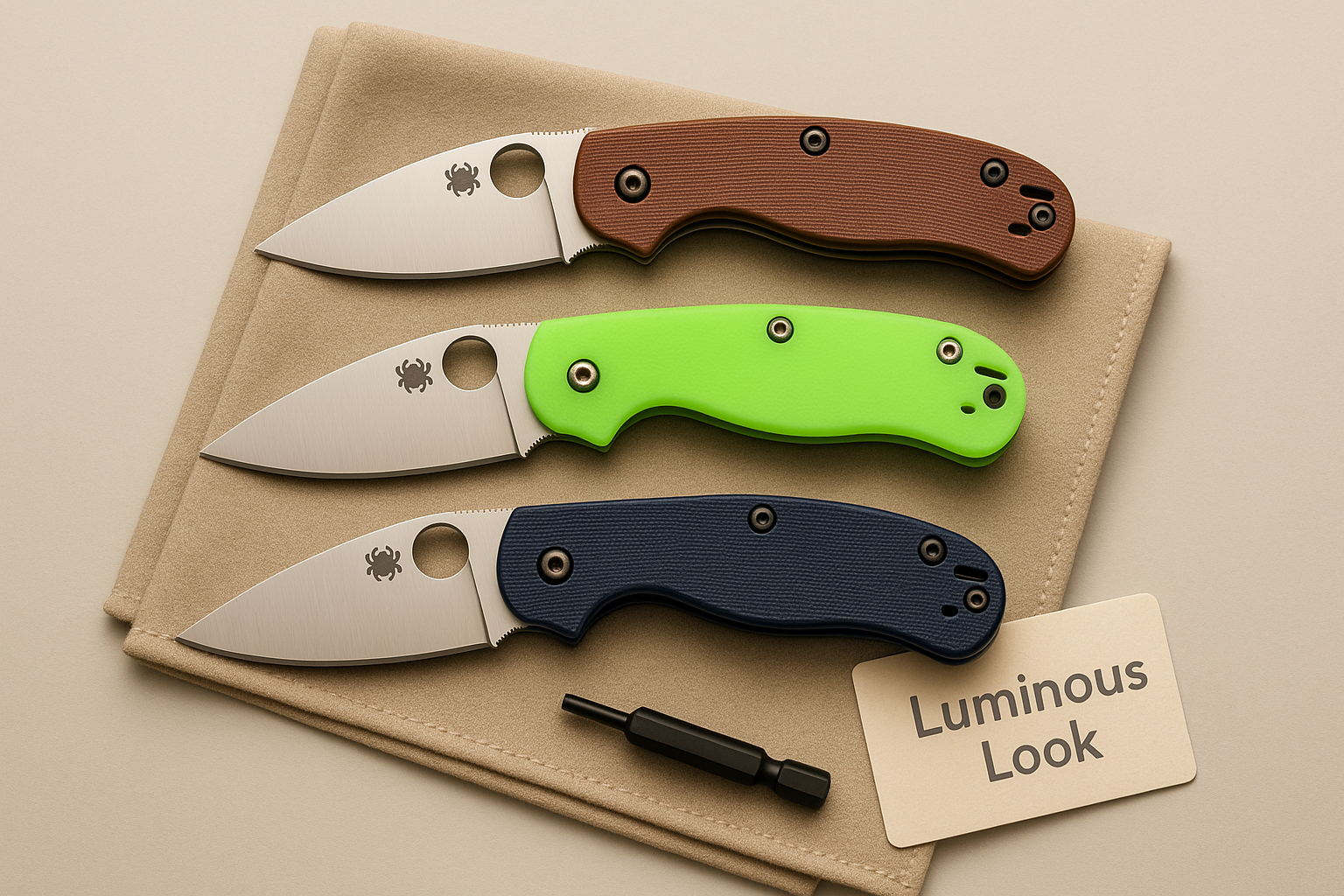
This is the 50th blog of the Spyderco blog series. You can check the other blogs I wrote from here – https://spymodz.com/blogs
Author: Logan M. Fraser
Occupation: Custom Knife Modder & Spyderco Parts Specialist
Location: Calgary, Alberta, Canada
Introduction – Why Glow-in-the-Dark Spyderco Scales Are More Than Just Cool 
Glow-in-the-dark Spyderco scales aren’t just a flashy trend—they’re a functional upgrade for night use and low-light conditions. Whether you’re a collector or an EDC enthusiast, adding luminescent scales can improve visibility and add personal flair to your knife. In this guide, I’ll walk you through materials, techniques, and my own tips as a professional modder to help you achieve a reliable, glowing finish without damaging your Spyderco.
Why Upgrade to Glow-in-the-Dark Scales?
-
Enhanced Visibility: Perfect for camping or emergency situations where finding your knife fast matters.

-
Custom Aesthetic: Adds a unique, personalized touch to your collection.
-
Practical Mod: Can be reversed or swapped without altering the blade or frame permanently.
Competitors like BladeForums and Reddit threads discuss DIY glow mods, but many miss critical details like resin curing times and scale thickness—this post fills those gaps with hands-on insight.
Tools & Materials You’ll Need
-
Spyderco Model with removable scales (e.g., Para Military 2 or Delica 4).
-
Glow Powder or Glow Resin – Look for strontium aluminate-based powder for the brightest, longest-lasting glow (Techno Glow offers reliable options).
-
Clear Epoxy or Resin – Choose high-strength, knife-handle-rated epoxy.
-
Sandpaper (400–2000 grit) – For smoothing and polishing.
-
Masking Tape and Clamps – To secure scales during curing.
-
Safety Gear – Gloves, respirator, and eye protection.
Step-by-Step: Making Glow-in-the-Dark Spyderco Scales
1. Remove and Prep the Scales
-
Disassemble your Spyderco carefully—refer to your knife’s exploded diagram for guidance (Spyderco’s official site provides diagrams for most models).
-
Clean the scales thoroughly to remove oils or debris that could interfere with adhesion.
2. Mix and Apply Glow Material
-
Combine glow powder with clear epoxy according to the manufacturer’s ratio. The higher the powder concentration, the brighter the glow.
-
Apply a thin, even coat to the scale surface or fill milled pockets if your scales have them.
3. Cure and Sand
-
Clamp the scales securely and let them cure completely (usually 24–48 hours).
-
Sand starting with 400 grit and work up to 2000 grit for a polished, mirror-like finish.
4. Reassemble and Test the Glow
-
Reattach the scales and check the action—adjust screws as necessary.
-
Expose the scales to a light source for a few minutes, then test the glow in a dark room.

Pro Tips from My Bench
-
Use Milled Scales: Some aftermarket Spyderco scales (available at Spyderco Parts) already have channels perfect for glow resin—saves time and gives a cleaner result.
-
Layering for Depth: Apply two or three thin layers of glow resin rather than one thick coat for even brightness.
-
Avoid Overheating: When sanding, keep friction low to prevent resin clouding.
Maintenance & Longevity
-
Clean scales with a mild soap and water—avoid harsh chemicals that can dull the glow.
-
Recharge the glow occasionally by leaving your knife under bright light.
-
If the glow fades unevenly, you can reapply a thin layer of glow epoxy.
Product Tie-In Without the Hard Sell
For precision-milled replacement scales or high-quality screws compatible with most Spyderco models, check Spyderco Parts. I source my components there to ensure perfect fit and finish—quality parts make mods like these much easier and longer lasting.
Additional Resources
-
BladeForums Discussion on Glow Mods – Community feedback and project ideas.
-
Techno Glow – Trusted supplier of premium glow powders.
-
Spyderco Official Site – For exploded diagrams and maintenance guides.
Final Thoughts 
Glow-in-the-dark Spyderco scales are a perfect blend of form and function. By following these steps and taking your time with the curing process, you can create a knife that stands out while remaining practical for everyday carry. Have any questions about the process or tips to share? Drop them in the comments below—I’ll answer personally. Also, let me know what knife mod topics you’d like me to cover next week!