

Satin vs. Stonewashed: Which Spyderco Blade Finish Is Best?
By Logan M. Fraser – Custom Knife Modder & Spyderco Parts Specialist, Based in Calgary, Alberta, Canada
This is the 2nd blog of the Knife blog series. You can check the other blogs I’ve written here: https://spymodz.com/blogs
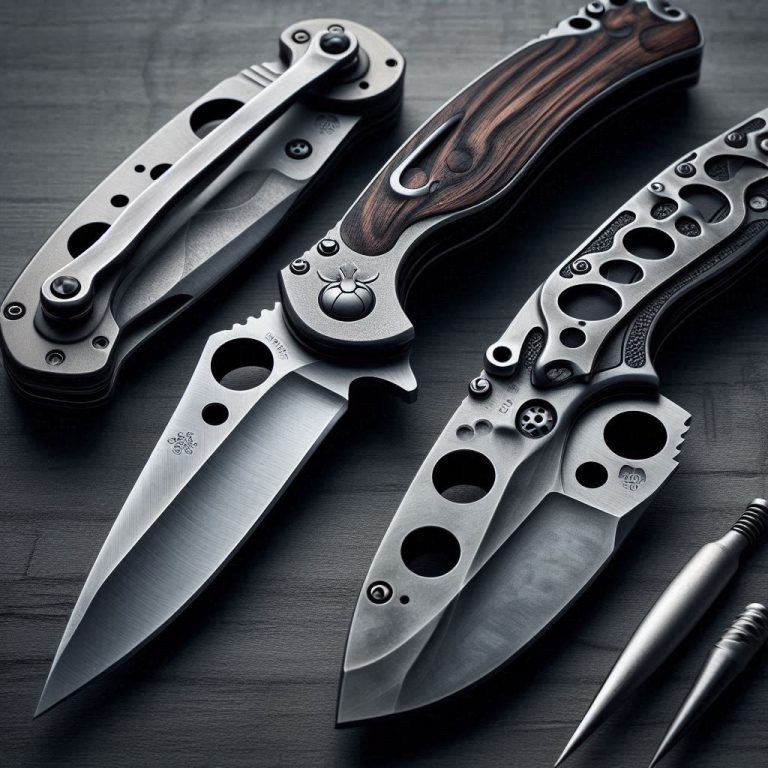
When choosing a Spyderco knife, one key feature that often gets overlooked is the blade finish. Whether it’s the smooth gleam of satin or the rugged texture of stonewashed, each finish offers a different experience for performance, maintenance, and appearance. So, which one is best for you?
Let’s break it down from a modder’s perspective—someone who’s worked with both finishes inside and out.
What Is a Satin Blade Finish? 
A satin finish gives the blade a clean, reflective look. The surface is polished just enough to show a directional grain, resulting in a smooth, linear appearance.
Benefits of Satin:
Visual Appeal: It looks sleek and highlights the blade’s lines.
Easy to Clean: Smudges and grime are easier to wipe off.
Shows Off Steel: You can clearly see the grain and heat treatment nuances.
Drawbacks:
Prone to Scratches: Satin can reveal wear quickly.
Glare: May reflect light during outdoor use, which some users dislike.
What Is a Stonewashed Blade Finish? 
Stonewashing involves tumbling the blade with abrasive materials, giving it a textured, matte look. It’s become a favorite for those who use their knives hard.
Benefits of Stonewashed:
Hides Wear: Everyday scratches blend into the finish.
Low Reflectivity: Great for tactical use and outdoor conditions.
Tactile Grip: The micro-texture helps with control during handling.
Drawbacks:
Less Shine: Doesn’t pop visually like satin.
Varied Quality: Not all stonewash finishes are equal. Some can look uneven depending on the maker.
Performance Comparison 
From a functional perspective, there’s no major performance difference between the two. What matters is how you use your knife:
Collectors or casual carriers? Satin might suit your aesthetic.
Outdoor, tactical, or EDC users? Stonewashed will likely hold up better visually over time.
Which One Is Easier to Maintain? 
Stonewashed blades win here. They can take a beating without looking worn. Satin blades, while easy to clean, tend to show scratches more easily.
Customization & Mods 
As someone who regularly mods Spyderco blades, I can tell you this: stonewashed finishes are more forgiving during regrinds and custom work. If you’re planning to swap scales or add hardware like bronze washers or anodized clips, stonewashed blades blend better.
On the other hand, satin blades offer a great contrast if you’re going for that showroom-style aesthetic.
What Do Spyderco Users Prefer? 
In popular models like the Para 3 or PM2, you’ll find both finishes widely available. Forums like Spyderco Forum and BladeForums regularly debate this exact question—with the consensus being that stonewashed blades wear better over time, while satin looks better out of the box.
Trusted Resources for Finish Comparison 
https://spyderco.com: View factory-finish photos and specs straight from the source.
https://knifecenter.com: Browse close-up product shots to compare finishes side by side.
These links are helpful when comparing finishes because they offer detailed images and specs that help you assess the surface treatments on specific models.
Looking to Upgrade Your Spyderco with Custom Parts? 
If you’re planning to customize your knife, stonewashed finishes tend to complement aftermarket parts more naturally. For example, custom scales and backspacers available at https://spymodz.com are hand-matched to ensure a clean fit with both satin and stonewashed blades. We prioritize finish compatibility so your mods look intentional, not pieced together.
Final Thoughts 
Satin and stonewashed finishes both have their place in the Spyderco world. Choose satin if you want clean lines and elegance. Choose stonewashed if you want rugged durability and low maintenance. Either way, you’re not wrong—it just depends on what you value most in your knife.
Still unsure? Drop a question in the comments below—I’m happy to help. And let me know what you’d like to learn about in next week’s post of the Knife Blog Series.